Charlotte E Animation
Level & Environment Design
The Brief
For this project, I have the task of environmental and level design for a brand new IP set by Supergiant Games. My job involves creating the world's design while including worldbuilding elements to make the story effective. To do this I will conduct research on existing level design and real world environments as well as the audience my game will be for. I will follow the research with rough designs and development before explaining my narrative and expanding on these ideas in either 2D or 3D in order to inform and make my final design. I will evaluate myself against the brief throughout the project as well as an overall evaluation at the end. To begin, I am going to research some games I enjoy the level design of and analyse what makes them successful.
Initial Research and Audience Analysis
Before I start my researching stage, I want to reflect on my previous project (My Consumption FMP) for areas that I can improve on this time around. I received a merit on that project with my main feedback being: having a more open approach at the beginning of my project and not narrowing down my focus to my concept immediately, give more context to any collected data and finally branch out more in my research such as using a mix of sources from different time periods and not just standard visual research. To act on this feedback, I will not decide my game's final concept until after I have completed the majority of my research. Then when I have decided on my game's premise, I will complete some further research related to it that comes from different time periods and spans mediums besides animation, games and modern artwork. If I have any primary research, I will add more context as to where I received the information and if it is a survey I will cover the demographics that responded.
To begin my research, I looked into level design theory and its core principles, these are the ones I think are the most relevant: Firstly, the flow and pacing of the game such as switching between moments of calm and tension to keep the player engaged. Next, the way the challenge is balanced, for example what aspects have tutorials and the way they are presented and how the difficulty changes as the game progresses. Finally, how the player is guided through the game either implicit or explicitly depending on the genre and story using features like maps or lighting. These principles all contribute towards the players journey through the game and if the level is well designed it will keep engagement and enjoyment.
Furthermore, for this project I will put greater focus on the audience and since it is a video game concept I will also look at player profiles. Based on the brief so far my only guide is the fact that its a brand new IP and set by Supergiant. I have played and researched some of their games before in my Year 1 concept art project and as a studio I find they make imaginative, story forward and visually stunning games. Based on this, I have made some loose assumptions about what audiences may be interested in my game. I plan to revisit this and analyse deeper once I have completed my research and begun my design work.
-
Primary Audience - Players who value artistic and narrative quality. What stands out most to me is how these games often focus on intertwining interesting art styles and engaging storytelling with the gameplay to make the games story more engaging.
-
Secondary Audience - Fans of fantasy and RPGs. Most of their games have a fantasy or mythological centred setting and includes elements of action RPGs.
-
Niche Audience - Players who like a unique overlap of genres. For example, roguelikes are often about getting as good and strong as possible but with the Hades series, there is a greater focus on the storytelling, showing its unique take on a well know genre. Additionally, their game Pyre combined visual novel aspects with sport game mechanics. This might not be as appealing to most players as it subverts expectations.
Since my game concept can be entirely new, it is likely I wont focus fully on these audience traits but they are a good starting point to inform my research and help me choose what I want my games concept to be. I will also investigate player profiles in my research; these include:
-
Achievers - Players who aim for completion
-
Fighters - Players who enjoy fighting and mastering the game
-
Explorers - Players who want to adventure into all parts of the world and love story
-
Socialisers - Players who enjoy multiplayer games and getting to experience games with others
Based on my brief and initial thoughts, I want to make a game that will appeal to primarily explorers and fighters but through my research I will find out about the audiences that like the games that inspire me and incorporate that information into my audience analysis and feedback.
Visual and Contextual Research:
Video Games
Kill The Crows
Kill The Crows is a fast-paced top down shooter that follows an unnamed gunslinger in a haunted western world, looking for vengeance in a forsaken town. The main mechanic has you making one-shot one-kill attacks using revolvers and showdown moves, but you will also die in one shot if hit by one of the enemies. After every 100 crows killed, you are put in a boss fight with an enemy with a wider skillset than just shooting or slashing, but they can still be defeated in one hit, its just harder to do due to more things blocking your way and trying to hit you. The gameplay is quite simple but it does its job very well with a satisfying gameplay loop that keeps you returning to it. The gameplay is mostly intuitive, with standard movement, shooting and dash controls. To teach reloading and showdown activation, the game uses a gun bar on the top of the screen with a small pop up to tell you the button to press to reload and the same goes for showdowns with the bar increasing each kill you get until it glows and tells you which control it is on your first run. Between your first death and the start of your next run, it introduces the passives menu where you can equip extra abilities after the completion of quests. The quests revolve around killing the enemies in usually three categories: killing a multiple of 100 crows in a run, killing an enemy using a certain revolver or showdown and killing an certain amount of specific enemies. The pacing flows from calm to stressful quite quickly and randomly between each

wave of enemies, depending on how many or how strong that round is. Between waves you get a few seconds to reload and move around but the game is designed to keep you on your toes as one wrong move could end your run. The longest moments of calm come before a boss round, where you are put in a mini dialogue cutscene before combat begins, although the most tension comes from being in these harder fights. The difficulty increases as the game continues with each round of 100 bringing more enemies at a time as well as introducing new crows with new mechanics. For example, during kills 0-100, the crows all die once shot and then its done but after the first boss fight it suddenly introduces enemies who once shot explode which can also kill you. Even though you can be killed so easily, you find yourself wanting to start another run as the only way to get further is to learn enemies attack patterns and kill more. Then as you get further, you get more rewards from quests and so on making you want to come back for more. Another way it makes you want to replay is from how satisfying the kills feel. The animation of them falling, the blood that gets left after each kill and the sound design that goes alongside makes the player feel successful as you can constantly see and hear your successes. As for the environment itself, you stay on the same map the whole time but it feels very explorable due to all the locations enemies can come from and the mix of tight spaces with things to hide behind but potentially be cornered in and wide open spaces where you're more vulnerable to attacks but can attack more clearly yourself. The environment also aids in the games storytelling - while it isn't that story-forward you are able to pick up on what is happening through small moments of dialogue and all the different areas on the map. The area is run down and desolate except for you and the crows with the only places in this town being an old saloon, drugs store and graveyard. All the environmental features that you can hide behind and block your shots are themed around this being a ghost town. While I think the games map is very well themed and explorable, I do think its a bit limiting to only have this one area as when playing I found myself wanting to explore further and trying to go through doorways that enemies would go through that I couldn't go through myself. This often resulted in the end of my run as while trying to see if there were other areas I could go to, I would be immediately hit by enemies coming through those doors or cornered in an area I wasn't supposed to be in. I think that there could be more visual queues to show where and where you aren't able to go before you get stuck. The games audience seem mainly to be for those who fit in a fighter player profile as it requires a mastery and presents a challenge to get through with so little lives. Though I also think it appeals to more players such as those who like pixel games, straightforward gameplay and fantasy fans.
For my level concept, I am inspired by Kill The Crows' success in its simplicity and how there doesn't need to be 100 things for the player to focus on for the game to be engaging. The way it presents the few mechanics there are makes it feel intuitive and there are clear visual queues for when you need to use them which is something I want to keep in mind for my concept so that there aren't big clunky tutorial explanations. The game doesn't tell you what everything does and how the enemies will work and that's left for the player to figure out as they continue on their runs. I also enjoy its run down western theming and I might explore this genre more when thinking of my concept. Additionally, all the enemies and environmental blocks are consistently themed and act in unique ways to keep the player engaged and on their toes during stressful moments. I think for my game concept I would prefer it to be more story forward, more areas to explore and have some more moments of calm to account for this so that's what I will focus on finding for my next piece of research.


Kill The Crows uses a pixelated 2D art style for its environment and characters. I find the art focuses on keeping the haunted mood, making the characters stand out from their background and having great animations. The whole level has this abandoned ghost town look with the dusty colours, tiny flickering lights and foggy overlay in places. As I said before there isn't much written and spoken story but the destroyed murky town allows you to question what has happened here - such as how does the protagonist know this town, what happened here and why have the crows claimed it. The dusty colours I mentioned are only broken up by the red of blood, gunshots and the crow's outfits with that clear contrast indicating these things are violent and unnatural for this place. The contrast in the crows outfits makes them stand out from the town, again indicating how they shouldn't be here as well as making them stand out for the player to see. It introduces more colours with certain enemies that are firing off magical looking weapons like green for the witch enemies and blue for the first boss who summons ghosts. I find the animations in the game to be very satisfying and vibrant, such as the bright glowing bullet trails, attack indicators and symbols. It both contrasts the scenery and makes it clear for the player what is happening. I also like the character and environment animations such as the subtle blowing of fabric, landing birds, attack movements and dodging. These animations both bring the world to life while maintaining its mood and display each enemies archetypes like the bulky melee attackers and the more nimble long ranged ones. Again, I do wish that there were more areas to explore so that this world could be built even more but on the whole I think the art does a great job at making you question what's happening and tell you the mood of the world.
I am inspired by the games arts ability to set the tone and mood of the world without much having to be said with exposition to the player and want to display this in my concept. I also plan to think about and design more than just what's in the background of my level and think about some visual effects to go alongside it to convey the tone like how the game uses the flocking birds and fog. Again, I am interested in the run down and western theming of the environment and will potentially include this genre or something similar in my own concept after further research. While this is a level design brief, I also want to include some enemy and player character designs in my level to further convey the narrative like how Kill The Crows does. I may also include some of these effects and character designs with animation as that is something I am inspired by in this game. Overall, this research has shown me I want to put a lot of focus on environmental storytelling, effects, colours and genre.

At Fate's End
At Fate's End is an action-adventure game being produced by Thunder Lotus. It follows the protagonist Shan, an heiress of the Hemlock clan in a bright fantasy world where she must fight her estranged siblings in emotional duels where her skill tree is her family tree. There is a mix of combat, puzzles and spoken fights that must be completed in order to decide the family's fate. As of writing this game isn't actually out but I have played Thunder Lotus' games before and I found myself so captivated by this game's concept, trailer and art style that I am inspired to research it for my project. Since I am unsure of the mechanics besides what is on the store page, this will mostly be visual research but I will still touch on the gameplay I can infer. I find the games concept of using your family tree as a skill tree to be a unique and creative concept. Anytime skill trees are available it allows the player to customize their experience through their abilities and having a twist on this mechanic sounds really interesting. The abilities you can unlock - which appear as tarot or arcane cards - will support a mixture of play due to their being classic adventure combat with the enemies in the world and the fights with your siblings being won through tactical dialogue and knowledge. This also encourages exploration, as the more family secrets you can uncover on your journey, the more likely you are to succeed in the psychological fights. Through your reconciliation or defeat of each sibling, you unlock new abilities for
the physical fights called the swords of power. These rewards incentive players to engage with the family and to take risks by entering the main battles. The world the story is set in seems to be a vibrant fantasy world with large magical constructs, animals and enemies to interact with alongside many environments to explore. Looking at the trailer there are locations such as tall busy cities, deserts, magical libraries, taverns, dark abandoned towers and the family's house. This leaves lots of room for story and exploration with many places to see and thematic enemies to defeat within them. The movement and exploration looks similar to their previous game Spiritfarer - where the movement was a side scroller with some platforming elements. Though in At Fate's End, this view is interrupted by dramatic animated cutscenes for certain moves and story beats that shift the camera angle. The mix of things you can do in the game allow for multiple player demographics to enjoy it and balance the stressful combat moments with calmer adventure and mystery solving. I can tell this game is more story forward which I want to focus on after looking at Kill the Crows but at the moment I can't explore the whole narrative since it isn't out but I am looking forward to find out soon. The games audience is most likely those who fit under a explorer player profile as it is story forward and has an expansive world. Gameplay wise, it would suit a variety of players but most likely people who like action and challenges as well as players returning to the studio after Spiritfarer.
For my level concept, I want to also come up with some more unique mechanics or combat premises like this game does as it makes it stand out to me amongst other action-adventure games that often fall into the same mechanics of just hitting things with not a lot of thought. I also really like the variety of levels and places to explore which is something I would have liked to see in Kill the Crows. Both games do a great job of theming the environment to the creatures and effects so I want to put lots of thought into that for my concept. I do find that side scrolling movement in games can be a bit oversaturated but I am inspired by the games different views and angles it shows to frame dramatic moments better. This makes me want to experiment with more unique ways to indicate intense movements rather than just saying its stressful. As I said with Kill the Crows, I want my game to be more narrative focused and have that play a bigger role in the environment and levels and while I can tell this game does that I will research another game that is actually out so I can look into this more.


The game uses a 2D drawn style which I love the look of, especially the lack of lines on the edge of the characters and environment. I really like the mostly lineless look and how shapes and forms are more important to convey movement of the characters and enemies. The animation compliments this style very well as the shapes are pushed and pulled to make smooth and satisfying movements, especially in the characters' hair. The lineless look carries into the backgrounds which are done in a more detailed and painterly style. The less reliance on lines helps convey the background and foreground elements really nicely. The very front of the foreground is often completely blacked out as well. As I've said before, I love all the different environments and enemies there are and how each is designed with the story and nature of the world in mind. The whole games mood seems to paint the outdoors as vibrant and beautiful, using bright colours, sunsets and lush foliage while the inside of the house is more gloomy due to the family's history with their being less saturated colours, darkness and fogginess. The contrast between light and dark shows up in other areas as well, for example the solid bright sword and hair of Shan against the dark coloured backdrops and the weapons and outfits of her siblings. This is both pretty to look at and environmental storytelling, displaying Shan as an agent of change in her family's house. The UI and card designs are drawn in similar style to the game but adding more detail to each one to make them look more like paintings. While I do find that some of the colours and shapes of the UI don't quite match though as they're more neon and blunt in places, the painting look on the cards adds to the theming of a fantasy world, making it feel older and more magical.
I love the lineless style used in the game and will definitely try using something similar during my development work to see if it compliments my final game concept. I think it makes the movements look beautiful and unique so I may also experiment with animating some of the features in my level. Based on some ideas I have been having while researching, I think the contrast and areas of light and dark will be an inspiration for me which I will experiment with in my development. Like with my other research, I want to make sure the environment helps convey the narrative without everything having to be said out loud so I will definitely keep that in mind while designing. This research has showed me that I want to test unconventional styles, experiment with some animation and make sure the level aids in storytelling.
Hauntii
Hauntii is an action-adventure about a ghosts journey through the afterlife where you search for starry fragments of your past life alongside an angelic companion. The main game mechanics are haunting and the light and dark zones. The ability to haunt is introduced at the start of the game with a simple button prompt. You can possess a variety of different creatures and objects that give you access to different abilities - for example a shooting plant allows you to attack at a further range and travel through dangerous terrain whereas if you possess a tree, you can shake it to drop items and create more safe ground from falling leaves. The haunting encourages exploration as you need to interact with things to discover if they're hauntable. Completing these puzzles and finding unique routes through the map is also vital to the story as exploring is how you discover the stars that contain Hauntii's memories and find locations to access them. Finding memories both allows you to find out more about the protagonist and gets you ability points to increase your health, dash and maximum ammo. As for the light and dark mechanic, it works by you only being able to survive on the opposite to what you are - Hauntii on colour and the angel in shadows. You can survive for a few seconds before it warns you to move by distorting the screen and having blinking eyes appear in the dark. Again this mechanic encourages exploration as by haunting and finding alternate routes, you can create more safe pathways or

avoid deadly zones. These mechanics are all introduced simply with a button prompt followed by an area in game where you would have to use it. For example when you're shown how to dash, it tells you what to press then gives a route where you have to dash through the dark to get to the next area. The pacing varies with large areas of puzzles and combat followed by fully peaceful zones like towns or forests where you can meet NPCs to progress the story or help some with other tasks for money or memory rewards. There are regular checkpoints but to create tension and make the player think strategically about where they go some areas have barely any. This means players have to have patience to progress through frustrating areas and spend the time finding the best pathways through. I enjoy how most of the games features reward exploration and venturing into these dangerous areas with either story, ability points or currency. You can't get very far through without struggling by just charging through levels. There are many different environments such as woodland pathways and large angelic cities that present many ways to explore and keep the game engaging by constantly introducing new things to haunt and ways to make routes. Early on you get a map that lets you see the whole world and zoom into the pathway you're on. My only issue with how explorable the world is is that the map is not that well labelled and doesn't make sense to follow in some areas so the player might get lost and overwhelmed, meaning they will need a lot of patience to find where they're going. Although something else I like is how the NPCs and creatures you can meet really add to the environments and keep in interesting. There are lots of different appearances for the creatures like bugs, skulls, birds and the ones that look like traditional angels and ghosts that add to the environment and make the levels really fun to explore. I think the games player audience is likely to be explorers and achievers as to make good progression with the narrative and your skills, you need to adventure out and by exploring everything you can, you unlock more rewards, achievements and abilities. I also think the audience are fans of imaginative games and concepts - such as the haunting and colour mechanics - and are able to take their time and have the willingness to discover everything.
For my level concept, I want to take inspiration from the interesting mechanics like haunting and the pathway colours and try to come up with my own more unique gameplay ideas. Furthermore, I would like to aim for a similar audience who prefer to explore and discover narrative when I make my game, which I think has been a common link between all the games I have researched. I like how Hauntii is story forward and will definitely focus on that in my concept and like with my previous research, make it so that the environment aids in the story. I love all the different creatures and NPCs that exist in the game's world and want to incorporate some of that into my own, so I will make some designs for enemies and allies that you could potentially meet in my game's level during my development. Also, the ghost theme is interesting to me so I may look more into that and include some haunted or undead themes in my concept.


Hauntii’s uses a 2D hand drawn style for all its assets. I like how there has to be a lot of focus on shape and form due to the limited colour palette. This leads to lots of interesting design for the world as well as texture and lines being used to convey shadows and angles. Regarding texture, the hand drawn look means there's lots of texture especially in the environment, such as the stippling on the ground and swirling lines in the sky. This combined with subtle animations makes the world feel active and lively. The duochromatic colour palette is one of my favourite design features as it makes the simple style stand out with the harsh contrast and lends to the story of the game itself. Also, since the secondary colour besides black changes between locations, it still adds variety and matches the environment and mood of the location. Lighting effects are also added in the secondary colour to highlight important points like the stars, guiding the player to these things so the simplicity doesn’t get cluttered or confusing. As I mentioned previously, I love the NPC designs in the game and the way they move and interact with the environment. There is a wide mix of silly and fun looking creatures that fit in really well with the rest of the art style while standing out from the others. I especially like the ghostly looking ones and the smooth way they are animated moving around the map and dashing away from Hauntii. There are certain moments where the camera expands out showing a wider view of the world, leaving the usual isometric view. My favourite is the pictured scene on the blue bridge where your view is widened to see all the city below you. The zoom out and colour gradient to show distance make the world feel so expansive and explorable as well as being beautiful to look at. I find the art lends to the themes of the story of light vs dark and brings focus to what the player needs to see with nothing getting lost in the background; it is also just very fun and cute to look at while exploring.
For my game concept, I am inspired by Hauntii’s success in its simplicity and its ability to draw the eye while still having a pretty art style. I want to find a way to include these elements in my game so I think I will start with a 2D artstyle then experiment with ways to guide the player like lighting, pathways and texture. Similarly to At Fate’s End, I am inspired by the change in camera view and cinematic scenes so I will potentially look into that for my game. Lastly, I will definitely come up with some NPC or enemy designs for my level and not put all my focus into the environment, but creating a whole explorable scene. I like the ghostly ones the most so maybe I will include some of this theming in my initial sketches and see if it goes well with my games final concept.
Visual Research:
Environments
Dimension 20: Cloudward, Ho!, Fantasy High and Cait May


Dimension 20 is an actual play series from Dropout TV that has over 20 different seasons set in a variety of worlds and environments. In recent seasons, there have been illustrated background projections that are shown behind the cast as they play. Cait May has been one of D20's primary artist since 2024, making character art, projection illustrations, assets and movie posters for 3 seasons: Fantasy High Junior Year, Never Stop Blowing Up and Cloudward, Ho! My focus will be on the projection illustrations made for Cloudward, Ho! as well as a few from Fantasy High.
Cloudward, Ho! follows the crew of the Zephyr, a group of legendary wind riders and their zeppelin, as they reunite years later on a quest to find their old boss on the fabled continent of Zood. The overall genre is steampunk and that is reflected in the character's world of Gath, but when they come to the otherworldly Zood, there are many different environments and climates with mystical elements (shown in the last 3 rows of images). The large character spread environments of Oda and Tabira City (the long images) were worked on by a variety of artists, primarily Cait May who worked on layout, line art and colour keys but also included character designs by Simon Roy, background colours by Katarzyna Madej and character colours by Jonah Walker. The main reason I love these illustrations is how vibrant and wonder filled they are. For the urban environments, they are so lively with the mix of people and how they are interacting with their surroundings that it makes you want to explore every detail. The colours and lighting are great with the long shadows of all the city under the sun in Tabira City and the softer airier light with the leaves of the trees casting shadow in Oda. Everything is very vibrant to reflect the brightness and excitement of a new world. I also like the focus on plant life and the overgrown natural look, especially in the art of Ramansu Power Station with the huge green mushrooms. Overall, I love these environments as they match the wonderous nature of exploring a fantasy world and the lighting, colours and fullness of the scenes convey this theme of the show. It inspires me to create a mixture of urban and natural environments for my game concept. Since the games I researched were often focused on exploration, I plan to base my game around narrative and adventure and this artwork captures a lot of that essence, making me want to experiment with full city locations that the player can explore and discover lots of fantastical people. As the art style is very detailed and illustrative, my actual game designs may not look like this but I definitely want to make some more detailed concept art to go alongside it inspired by this work.
Fantasy High centres on the adventuring party 'The Bad Kids' - a group of adventuring high schoolers at The Augefort Adventuring Academy. It takes place in the high fantasy world of Spyre, but the protagonists live in the small town Elmville - a place more like suburban 80s America that then adapted to this magical world. Junior Year is the third season in the Fantasy High story and has the characters fighting against a rival party from their school who are plotting to awaken a long forgotten God of rage. My favourite background illustrations from this season (the top row of images) include a haunted graveyard outside a manor and the town centre. These have a different mood to the Cloudward, Ho! artwork as they're darker and quieter. Both images have a different atmosphere with the graveyard being haunted and eerie whereas the town is more peaceful and vibrant, though both are successful in the same way. I love the soft light sources in the darker scenes that also aid in the composition by drawing your eye to certain buildings and features. With the composition, I also like the background layers and framing especially with the trees around the edges and as it is projected behind a table, it also frames the cast nicely. The layering means there are still details further out and you get a whole story of the location projected to you despite the format of actual play being mostly spoken. I am a fan of the darker night time look of these pieces so plan to take inspiration from that mood for my concept. Additionally, I want to focus more on lighting in my artwork for this project as I think I could improve there and the mix of light sources and contrast in these backgrounds is something I'd like to include in mine. I will certainly make some illustrative concept art for my project using these inspirations.
Primary Photos


When I started my project, I decided to start taking photos of any buildings or wildlife I saw that I found interesting, that could potentially influence my environment designs. I took images of local plants, scenery and buildings I saw when visiting Cornwall and architecture I saw in London such as the ceiling in the Roundhouse (pictured in the top left). The features I found I was drawn towards include: overgrown plants, abandoned buildings, old houses, small spaces and decorative interiors. I generally looked at urban environments and when there was nature, it was how it appeared alongside buildings. I also looked at places with lots of shape and texture, like the circular ceiling and mix of brick used on houses. I like these features as they create contrast, show a lived in world and I find that older buildings have more variety and personality. In regards to my project, the photos I took make me want to look at a mix of nature and urban features in my world as well as interiors and exteriors. Also, since I like the older, more maximalist architecture, I will consider having my game be set in a past time, likely older fantasy. I also took photos of abandoned and graffitied buildings, which I plan to look at in my initial development as they combine the overgrown plants like ivy and older architecture as well as showing how current people are interacting with the environment. I want to reflect a mix of history and how modern people are interacting with it in my world to build up more of a narrative.
Game Ideas
Now that I have done some initial research into game design and visuals, I want to come up with my games concept before proceeding with more research, so that I can base it around my concept. I have come up with two concepts and made some mood boards to accompany each one.
Idea One

My first idea is an action-adventure game that follows the protagonist returning to a twisted and destroyed version of their hometown after the undead has taken over. From my research, this concept was inspired by the abandoned environments from Kill the Crows, the explorative play style of At Fate's End, the ghostly theming of Hauntii and the older, darker and urban scenery I liked in my environment research. Besides games I've researched, my mood board also contains visuals from Rainworld, Clair Obscur Expedition 33, Spiritfarer and some environment and character artists, all of which create an unnatural, mysterious and scary atmosphere. I picked colours that are dark and muddy but aren't fully monochrome so that there can be more depth and contrast through the colour. It would be a 2D, third person game where you would explore different parts of the town in order to find where the undead are being sent from and defeat them at the source. The pathways would send you through twisted alleyways, across rooftops and underground in a medieval style fantasy world. You would fight a variety of monsters such as ghosts, zombies, skeletons and vampires with enhanced more humanised versions of them as bosses, which on death you can get stronger rewards and find out more information on where the leader of the hordes are. The town isn't fully abandoned as some other humans remain in hiding, who you can find as NPCs who you can help or can give you rewards to help on your journey, or you can bring them back to your main camp to talk to and they could be shops. If I pursue this idea for my project, I plan to design a mix of the following: general environments, regular enemies, the player character, the rest camp, animations, a boss room and boss design.
Idea Two

My second idea is a story, exploration and platformer game based in a whimsical fey world, where you travel through a colourful mix of natural environments on a quest to find an ancient relic. Regarding my research, my inspiration comes from Kill the Crow's simplistic gameplay, the visuals of At Fate's End, the exploration gameplay in Hauntii, the otherworldly spread of vibrant environments from Cait May and the overgrown natural features I liked from my primary photos. Besides my research, my mood board has images from Neva, Clair Obscur Expedition 33, Spiritfarer, Gris and environment artists that create a magical, bright and imaginative atmosphere. This game would be 2D and in third person with the gameplay being less combat focused and more about exploration, puzzles and the weird magical things that happen in the world. The exploration would involve areas of platforming and puzzles to take you between different colourful landscapes and reward you with new mechanics and items to complete different areas and take you down new pathways. There would be a variety of weird fey creatures and NPCs for you to interact with that come in all shapes and sizes, like tiny fairies and giant magical beasts. If I pursue this idea for my project, I plan to design some from the following: environments, puzzles, NPC creatures, the player character and animations.
After writing out my ideas and spending some time deciding, I am finding myself more drawn to my first idea as I think I have more of a plan for the narrative, which is something I really want to focus on in my environments, as well as my research I have done so far making more sense with this concept. Before I start my production stage and audience analysis, I plan to do a bit more research into the topics of my game such as the undead and combat and how these themes exist within and outside of video games. I will still think about details from my second concept while working on this so I can hopefully combine the best features from both concepts into one. After I have completed this research and made any revisions based on my audience's preferences, I will give a more detailed overview of my game's final concept.
Contextual Research:
Game Themes
Monsters and the Undead
The catalyst for my game is that monsters and the undead have taken over the protagonists home, so to start I want to narrow down the amount of creatures this could be in order to pick a group that would be the best main villains and bosses. When looking at the undead, I am taking reference from myths, folk tales, gaming and fantasy media to compile a list of the most popular and recognised creatures, their origins and their traits so that I can decide what would fit my story the best.
-
Ghosts - These are incorporeal spirits of people who have died but linger in the real world, unable to move on to whatever is next. Some other incorporeal creatures similar to ghosts include shadows, banshees and wraiths. The belief of manifestations of the dead originates from a wide variety of cultures but goes as far back as Animism in pre-literate cultures.
-
Ghouls - Ghouls are sentient monstrous creatures who have a hunger for flesh and are often compared to zombies. They originate from pre-Islamic Arabia and are often associated with deserts and graveyards.
-
Vampires - Vampires are mythical, nocturnal creatures that exist by feeding on the blood of the living. In the modern day they are depicted as gaunt and pale humanoids, but they have existed in many cultures across the world, though are most well known from Eastern Europe's folk beliefs.
-
Skeletons - These are animated undead, mostly shown as human skeletons but sometimes other animals. They are often used as a personification of death in Western culture, for example the Grim Reaper.
-
Liches - Liches are powerful magic users that have achieved undeath and strength through magic. They originate from fantasy fiction, with the original meaning of any sort of undead coming from "The Empire of Monsters" by Clark Ashton Smith in 1932, but the current specific rendition coming from "Greyhawk" - the 1976 Dungeons and Dragons rules supplement.
-
Zombies - These are reanimated corpses that are most often mindless and driven by instinct and hunger. They are mostly created through infection and are usually seen in hoards rather than as one main enemy.
After writing the quick overviews, I think I will include the majority of these creatures as general enemies or NPCs that travel in hoards or guard certain areas. I don't think I will use liches as they are very powerful and don't quite fit within the monster hierarchy of leader and follower like the rest do. For my main villains, I am going to make them vampires. I think they suit being a main villain the best as they are humanoid, sentient, corporeal and have lots of different histories in a variety of countries' folklore, which could make for more interesting and varied characters and designs between each one. In lots of modern media, they are also seen as quite regal and powerful, so it stands to reason that they could be leaders of hordes of other undead creatures. I want to look into vampires more and how they have been depicted in culture across time, modern media and how I will depict them in games.
Vampiric creatures have been present across the whole world, but the tern 'vampire' became popular in Western Europe in the 18th century following mass hysteria based on the pre-existing folk beliefs of Eastern Europe. This misconception led to people being accused of vampirism as well as corpses being pierced with stakes when there was suspected vampirism. The Eastern European folklore for this version of vampires comes from verbal traditions of the ethnic groups in the region being recorded. The belief was that vampires were revenants of evil beings, witches or suicide victims as well as spirits possessing corpses. The vague characteristics of folkloric vampires include being bloated, dark colours, blood seeping from the eye or mouth and overgrown teeth, hair and nails. The appearance was attributed to having drunk blood recently, so they look almost the opposite of the gaunt and pale depiction now days; additionally, fangs were not a common feature.
Outside of Europe, there are different creatures across the world that have similar traits. In African folklore, vampiric creatures are associated with sorcery and witchcraft. In countries such as Nigeria and Ghana, the 'Sasabonsam' is depicted as a demonic creature that has sharp teeth and bat-like wings that goes around draining blood from unsuspecting victims. These beliefs are linked to traditional religious practices and spiritual beliefs and are used as a warning against evil. In Asian folklore, there are lots of different interpretations such as the 'Jiangshi' from Chinese mythology, which is a reanimated corpse that feeds on the life force of the living. In Malaysian myth, there is the 'Penanggalan', a nocturnal creature described as a beautiful woman who detaches her head and entrails, then sends it to hunt for blood from birth and menstruation as well as killing pregnant women and young children. In the Americas, there are lots of myths that combine indigenous and colonial influences with christian symbolism. For example, the 'Chupacabra' is a creature that attacks and drinks the blood of livestock, especially goats. It has different appearances across cultures but in Puerto Rico and Hispanic America it is shown as heavy, reptilian and alien-like. While the image and details change between cultures, the ideas of bloodlust, immortality and suspicion are carried through all the cultures. Based on all the myths, there are lots of different appearances that I could take inspiration from for my vampire designs.


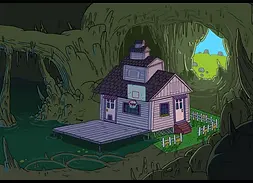

In modern media, the depiction of vampires has shifted from the folkloric, undead monster to a more cool, gothic villain. The most relevant older vampire media would be 'Dracula' by Bram Stoker which was published in 1897. He drew his inspiration from folklore and history but it was also unique for the time it was written as it explores things like religion, gender and sexuality in a way that challenged the societal norms. By experimenting with gender norms and the supernatural, the story has lots of focus on sexuality, homoeroticism and religion. I think vampire media reached peak popularity in the 90s and 00s and popular media themes during that time seem to favour lone wolf characters, anti-heroes and sympathy for villains. Vampires as protagonists followed these edgy themes as well as being depicted as humanoid, beautiful and having ties to sexuality and queerness which made them very engaging and popular characters for the time. I'd say the most notable vampire media from this era was twilight and buffy, which both attracted a wide demographic but was loved by young people who would be most interested in these themes. In current video games, vampires are a common creature type. They often include some sort of combat between the player either fighting vampires or fighting as one. I think the most popular game with vampires in is the 'Castlevania' series which is a horror action-adventure created by Konami and is set in the Castle of Count Dracula, who is the enemy of the Belmont clan of vampire hunters. Besides games, other modern mediums that include vampires are: tabletop games, board games, films, tv, animation, comics, manga, music and movies. They've clearly changed over time in appearance and themes so it gives me lots of options to consider for my characters.
Since this is an environment project, I also want to look at the sort of settings and locations vampires live in modern media. From media I've seen, the common themes are that they are atmospheric, gothic, dark and have a sense of mystery and decay. Some live in huge sprawling castles when they are depicted as nobility with limitless resources, others live in large gothic manors and estates, isolated and hidden countrysides as well as large cities where they prowl the streets hunting. These environments create and atmosphere that lends to the features of gothic stories such as darkness, death and the supernatural. By having a dark and terrifying environment, it indicates the power of the villain and tone of the story which is something I want to reflect in my game as I've said before with environmental storytelling.
The final point I wanted to think about is how vampire hunters and slayers are depicted in comparison. I think that often times they have similar edgy appearances and personalities to vampires so I want to look at some differences. They are usually described as having extensive knowledge on their prey as well as other undead creatures such as their powers and weaknesses. There are lots of different characterizations, from strong athletes, religious fighters with holy weapons, those who explore the occult and even other magical or supernatural beings who fight with powers. This archetype comes from both folklore in the Balkans and fiction as foils to a vampiric enemy. The fact that there are lots of skills and abilities depicted across media, makes me want to give options on which route to follow in my game. Maybe they will have a skill tree or point buy system where as they get further they get more options between skills like arcana and strength. In regards to appearance, they would have to have classic weapons used against the undead for the player to choose from, like wooden stakes, holy water and silvered weapons. I want to make my game make the hero and villain characters contrast each other but still have some similarities as they exist in the same gritty world.
My research has shown me that there are lots of options when it comes to vampiric creatures since they've been folklore since before some religions. In my initial designs, I want to experiment with elements from old, modern and different cultures' vampire themes and appearances to make something interesting and powerful. For the environment, I will take inspiration from the dark, old and gothic lairs in order to create that same mood in my games' abandoned landscape. For my protagonist, they will be against the vampires, so as I said I will give the players free range on what skills they take but their design will be mysterious, powerful and dark to compliment the world and play into the villain.
Initial Designs
Now that I have done more research and have my games' concept, I made some initial designs of npcs and monsters, items, the protagonist, boss villains, environmental elements and some scene shots. Based on my research, I wanted to explore visuals that included: old architecture, busy urban environments, unique npcs, contrast, darker colours, moody atmosphere and a variety of monsters. To do this, I reflected on my visual research and mood board to create a variety of locations and creatures. I used the colour pallete I liked in my mood board when I refined some of the sketches as well as refining some of the scenes into eerie areas to explore and camps. For the monsters, I designed different shapes and proportions inspired by my vampire research of different monsters across the world. The items and protagonist were also inspired by this research, specifically about monster hunters, as well as the protagonist in kill the crows. I am yet to experiment with art style as much yet since the sketches dont allow me to try a lineless style like I said I would. I have also annotated for game mechanics on the creatures and items but would still like to experiment with some more unique concepts. The digital iterations are from taking my favourite ideas from my sketchbook and making them a bit clearer; my next step will be finalising these designs taking inspiration from my research and the digital and traditional sketches.


Audience Analysis and
Final Game Idea
Now that I have started on my concept, designs and research, I am going to analyse my three audience types in a mixture of categories. Then I will make edits to my concept to accommodate my audience and explain my final idea.
Primary Audience: Fans of fantasy and explorative games.
-
Analysis - My primary audience centers players who are fans of fantasy, adventure and exploration genres in games. This is a wide audience as there are many games that fit in this category but my game concept mostly follows the route of being in a fantasy world that you can explore as you wish while uncovering the main story. There is the main narrative and optional extra areas you can explore for more quests, lore and rewards. The city that the story takes place in is vast with lots of places to explore that should be different levels of challenging to attract different kinds of players to different points. I want players to care about my game so in order to make it stand out more in the fantasy genre, it has more spooky and horror appeal as well as it not being high fantasy by being set in a mid-magic more urban world.
-
Demographics -
-
Language: English since that is how I am creating it but ideally there would be options to translate writing to different languages to appeal to a wider range of players who enjoy the genre.
-
Gender: All genders are fans of these games but since both the protagonist and main villain are women, it could appeal to more women as female gamers often prefer playing as their own gender.
-
Location: Mostly western audiences as my main fantasy inspiration comes from European myths and wild west themes but i have also taken some inspiration form my research into global myths and monsters so it isn't limited to this group.
-
Age: Younger adults in the 18-30 range since lots of people playing games fall in this category and I generally find younger people are more into fantasy and older are into sci-fi.
-
-
Interests - My audience's current behaviours would be that they already have an understanding of video games, enjoy fantasy stories and interact with a variety of fantasy media. I would like my game to make them engage in the story and characters, explore and delve into all the different secrets and environments and make them think about the routes they take through the city to the ending. I would try and make them do this by having mystery and lore elements for them to solve to find out who, why and what has destroyed the city and to also find out about the protagonist's relationship to the city and what she is like throughout the game.
-
Barriers - In order to get as many people in my audience to play, I would like the game to be available on multiple platforms and be a low price in the £10-£15 range. Additionally, once you're in the game, there can be difficulty settings that adjust how strong enemies are and how much damage you take in order to make the game as enjoyable for those who just want to experience the story and those who want a challenge. To make the game more accessible, I'd like there to be options for visual captions, audio captions, colour adjusting and key rebinding.
-
Needs - I think the audience would want a game that allows for exploration, lots of ways to uncover the history of the world, have an interesting story and allow for player choice. To do this, I will have the main mostly unchanging storyline, but by exploring the world the player and character get more hints as to what is happening and where to go to defeat the villains of the game.
-
Customization - After evaluating my audience, I found that from my original concept I want to alter it to make it more mystery and lore focused as well as being more focused on the overall fantasy and exploration of the world rather than just characteristics like having vampires.
Secondary Audience: Those interested in monsters and folklore.
-
Analysis - My secondary audience are people who are fans of folkloric monsters and especially vampires since they are the main villains of the story. After my research into the origins of monsters across the world, I want to take influences from the common myth but also including elements of the global monsters in my designs, which I think would be appealing to this audience. The enemies in the game will all be inhuman and have a mix of designs and abilities that can be interesting to explore and document. To draw this audience in, I will make sure each monster is unique in its look and the way it fights the player.
-
Demographics -
-
Language: Same as primary audience since English is the initial language I am making it in.
-
Gender: All genders are included in this group especially since there are enemies across the spectrum of monstrous to humanoid.
-
Location: Same as my primary audience for the same reasons.
-
Age: There are monster media aimed at all age groups but for my games story it best suits a younger adult audience of 18-25 since there is a mix of horror and human elements.
-
-
Interests - The audiences current behaviours would be an interest in creatures and their lore as well as exploring and interacting with the monsters. I would like them to engage with all the creatures and their origins so in order to make them do this, I could add more gameplay than just killing like there being some who aid in your quest, sell you items or ask you to do favours for them. They could be altered versions of the monsters who are aligned with the player or are fighting against their leaders.
-
Barriers - Most of the gameplay elements remain the same as the primary audience, but in order for it to appeal to monster fans who don't like the horror elements, there could also be settings for phobia modes such as hiding blood or bugs if any of the monsters look like that.
-
Needs - I think this audience would want to learn about the enemies so in order to engage them in the monsters of the world, I could add a bestiary or encyclopedia for the locations, creatures and enemies of the world that would update when they're explored, killed or interacted with. This gives the audience a goal of completion and would keep them engaged in the game play.
-
Customization - After evaluating my audience, I will change my initial concept to allow for more interaction with the creatures, ways to document them and a wide mixture of designs and abilities to keep this audience engaged.
Niche Audience: Fans of older games.
-
Analysis - My niche audience are fans of older games. Since my game is an action adventure game with a simple 2D art style, it reminds me of older games in the first genre. I think this is a niche audience as retro gaming fans often fit under different demographics and wants such as nostalgia. Though I think my game could potentially appeal to these fans from the style of combat, puzzles and potentially the art.
-
Demographics -
-
Language: English with the same reasons as previously.
-
Gender: All genders could fit in this group but I find that men prefer some older games due to the past demographics in gaming.
-
Location: Likely the same locations as the primary and secondary audience but any places that have a common gaming culture and access to them.
-
Age: Mostly adults aged 30-45 to appeal to nostalgia but all age groups can be interested.
-
-
Interests - The audiences current behaviors would be playing and enjoying older action-adventure games as well as trying games that take influence from their style. I would like the audience to engage with my game so to do this I would focus on characteristics such as exploration, secrets, alternate paths and upgrades and just overall focus on the adventure similar to games like the Zelda series. To do this I will explore environments and areas that can be a challenge or off the beaten path that the player will have to be observant to find.
-
Barriers - For accessibility it would be the same as the primary audience but could also include the ability to use different types of controllers or keyboards, giving players the choice of how they control the game.
-
Needs - I think the audience would like to have a similar experience with game play and emotions that reflects the games they enjoy when playing my game so I want to put a lot of focus into explorability and sense of adventure as the player goes through the sprawling city that they have no prior information about except their quest.
-
Customization - Looking at this audience, they will not be my number one priority but I still want to be able to create a sense of adventure and use an art style that takes inspiration from older games.
After looking at my audiences, I want my game to have more of a focus on adventure, lore, mystery and exploration than I stated in my original idea. I will reflect on this, my research and initial designs to inform my games' designs and final idea.
Synopsis:
My game is an action adventure game focusing on exploration, mystery and monsters where you play as a forsaken hunter who returns to her home city to purge the undead who have taken over. Your goal is to destroy the masses of monsters by taking them out from the root and killing their vampiric leaders. You take your time exploring the ruined old city and slaying monsters to learn more about how the city came to be this way, earning valuable gear to let you slay stronger enemies,. meet people who still hide in the city and uncover the truth of why the protagonist left in the first place. The way you explore the city and the directions you take to your enemies uncovers different clues to what happened and will remind the protagonist of her time there. Game play includes fighting enemies with a variety of weapons to choose from, solving puzzles to reveal clues and unlock treasure and pathways and talking to the few other people fighting back or hiding in the depths of the city. There are ways to play for multiple play styles since there is focus on narrative, exploration, combat and collecting.
Settings, Enemies and Characters:
The environments are ruins, winding pathways, hidden tunnels and small areas of rest that are inspired by medieval fantasy and some parts of old westerns that follow archetypes of destroyed and abandoned locations. The city is always dark since that is how the monsters live but safe areas that still house people are signaled by warm lights and comfort against they grey backdrop of the city. The monsters mostly roam on the surface of the city with the sewers and high points being where the original people of the city hide and plan. The city is also very layered, with each tier heading towards the ruined castle where the leaders stay holding more dangerous enemies and difficult challenges.
There are many regular enemies that are inspired by all types of undead and monsters such as zombies, animated objects, ghosts, skeletons, giants and more. They are the legions of the vampires and will follow their command to fight and destroy anyone trying to stop them, therefore being what you will mostly fight on your journey. There are also several boss enemies, the vampires, who are each stronger than the last. They all have different skills, appearances and goals when fighting you but ultimately will be very difficult fights where they try to take you down. After killing the first three vampires, you can head to the castle to take on their leader and the strongest of the group.
Not all of the monsters in the city follow the vampires though, with a rare few aiding the humans who lived there before by selling trinkets or giving information. Other helpful characters you can meet are the group of humans who live in the sewers or on the outskirts in old churches. They will tell you about what happened in the city as well as provide items, places to shop, a place to camp and a route underground away from some monsters.
Overall, I want my game to have elements that will appeal to all my audiences and a variety of players. My next step is to work on my designs so to start I am going to draw some of the enemies and characters with a focus on the end of the game where you would meet the main villain.
Character and NPC Designs
Player Character


For the protagonist's design, I wanted to make her seem mysterious and strong so I covered her face in shadow with the hat and posed her to prepare for a fight. For the overall style, I took the mostly lineless approach that I wanted to try based on my At Fate's End research. I used a quite pixelated brush and only used some lines to distinguish folds in the clothing to make her design harsher. The design is simple for it being in a game but I wanted to include some details like all the different weapons I made from my initial designs to show her playstyle versatility. I decided on the red pallet for the final design since she is a hunter and is meant to come across as powerful and a warning against her enemies.
Main Villain


I based the main vampire villains design off of my initial sketch but with more exaggerations. I elongated her limbs even more, tried to make her more gaunt, made her very tall in comparison to the protagonist and added even more taring at her joints and not just the neck. I wanted her design to have contrast between elegance and monstrous so I made her hair and outfit more regal and put together to show the visage she puts on as the leader while her body is falling apart. For the colours, I wanted to create contrast there as well so her skin and hair are pale and sickly but her clothing and the blood on her are darker and fuller. From her design, her fighting style would focus on her strange proportions so she would be clawing and diving unnaturally and ravenously at the player character.
Enemy NPCs

The final designs I wanted to make for characters are some regular NPCs as I was inspired by from my audience analysis and Hauntii research. I just left these as colour sketches so I could make multiple iterations but these three creatures are all enemies you could find throughout the city. Each of these creatures would have different abilities: the first is armour animated by flesh that fights with a sword, the next is a flying storm that affects player's movement with wind and the last is a spidery worm that flings it tails and tries to bite the player. The colours are all desaturated and sickly but they have flashes of red on them to imply they are enemies and that they are controlled as a horde by the vampires. I plan for them to blend into their environments in different parts of the city and have them blend into the scenery, for example the knight being disanimated hiding in the barracks but if the player goes too close and runs around too loudly they will activate it.
Environment Designs
The Camp


My first background concept is the campsite. This would be used as a rest point and safezone that the player can travel to when they need to refresh their abilities and health. It is a small ruined zone on a hill surrounded by trees and old walls that is out the way of the rest of the city. I used the same pixelated brush I used for the character designs but added more details to the scene similarly to how I wanted to make a full concept piece inspired by the Cloudward, Ho! backgrounds. The scene is dark and ruined but the light of the campfire is a beacon at the centre that adds warmth and brightness to show that here is welcoming compared to the rest of the city. As the game progresses, I imagine the campsite getting more full with visiting allies, tools and potential upgrades to comfort to make resting more effective. While I enjoyed making this design, I don't think I will use it for my final piece as there are less game design points to show here than an in game level would have, so for my next design I will make an area where some combat or puzzles would take place.
The Castle


The castle is the home of the final boss. It is a long and ominous hall at the highest point in the city that is equally as ruined and battered as the rest of the city. I wanted this scene to have contrast and to do that I used both the bright colours of the moon and red of the throne against the dark night background as well as the regal throne against the ruined walls. This was to indicate the destruction that the monsters have had on the city but also the front of importance and power that the vampire wants to have. The red doesn't fit ion with the rest of the scene because she doesn't fit in to the original plans for the city. In the game, this would be the boss room but the level would involve travelling through the castle by fighting your way through to her, navigating the hallways and unlocking magical puzzles that are blocking your way from getting deeper in the castle. For my final piece, I will display how this room and the chamber before it would look in the actual game alongside some animation.
Final Design Development
As I said previously, my final piece will be the protagonist travelling from the chamber before the boss room into the final encounter to confront her vampiric enemy. I want to include some animation, characters and the environment. To start I am going to make a plan for the route and layout of the rooms. My plan is to draw at least three different shots of the area with subtle animations in each one with each scene connecting to each other.

The game map indicates the enemies and puzzles that will be in the final chamber and the lead up to it. It also shows where the player character will travel in gameplay. There would be a few high level vampire henchmen in the hallway before then a puzzle to unlock the entrance door. You would then be presented a prompt to enter the final room before going in, having a cutscene of dialogue and then the final battle. The light from the torches and moon is there to guide the player and indicate where they should go. The three shots will be more cinematic but in the style of the game and not fully rendered like I did for my background concepts. There will be subtle animation throughout of the characters and lighting and finally I will edit them all together into a short animation with some sound effects, music and light effects. To begin, I will draw a sketch for each section.


For the sketches I wanted to keep it quite simple so that I don't get too focused on adding lots of detail later. The static elements are in black and the parts that I will animate - the characters - are in blue. I did end up changing the sketch of the vampire in the last image since I didn't think it looked enough like the pose in the scene before and was too rigid and the limbs were not in the same place but I didn't get an image of it. Next I will add my colours, lighting and shadows to make the flat images for each scene.
In this first scene, I played around with colours a lot, especially with the torches since I decided they would be more magical and I wanted them to be a more unique colour. For the rest of the colours I focused on destaurated blues and greys with the light and the characters clothing contrasting the background. I kept the lighting minimal except slight graduation in the sky colour toward the moon and rim lighting from the torches. I spent the most time on this first shot since it establishes the mood of the rest of the scenes and I wanted it to feel eerie but not devoid of life. Though for the next scene, it will still change to match the door opening.


For this scene, I started by taking what I had done in the first and applying that to the foreground but the door is now open, so I also introduced the brighter greyish colours in the next room. This scene is the bridge between the two shots so to make it less jarring I added a peachy tint to my colours to unite the rooms more. I also added in the vampire in this scene and tried to pose her so she looked relaxed but menacing as she is sat in the place she is strongest and most renowned. I mostly recreated my background art from my concept of this scene but more simplistically to both fit in the smaller frame and be the style that would be seen in game.
In this final scene, I started by changing her pose as I said previously. This scene was the easiest to execute since I decided to lighten up even more on the amount of shading caused by the light from the window, so I used less colours and graduation. This scene also parallels the first in some ways due to the position of the characters and the objects that represent their victory, the door to her enemy and the throne respectively. I did plan for some sky to be seen from behind the wall but it ended up looking cluttered and took focus from the lit up villain. Now my flats are done, I will add the sections of animation to each scene.

The animation I ended up adding was hand movements in the first scene and the door opening slightly. I animated in 4 fps since I only wanted that tiny bit of movement and to keep the focus on the image as a whole. For the sound, I found some horror music - The Open Window by Farrell Wooten - which I edited slightly to put over the animation. I edited it so that it would crescendo when the villain came into view before cutting off as the screen turns blank. I also found some sound effects of the door opening that I put on very low volume. I didn't end up shifting the camera in the last scene as I originally planned since similarly to adding the sky in, it made the shot have too much going on and I want to keep it simple like its in the game. Now I need to make my final adjustments and upload it for it to be done.
Final Design and Evaluation
Research
The brief for this project was to design a level and environments for a new IP set by supergiant games. I started by researching the video games Kill the Crows, At Fate's End and Hauntii. This helped me decide what elements I wanted to include visually and in game design. The points I took from this were that I wanted the environments to match the mood of the world and for it to be lively by having a variety of people and places. My next research was visual into environments from Dimension 20 and my primary photos. This led me to making rendered concept art and having the city be filled with old buildings. My final research was looking at undead in media and global folklore. This helped me broaden my horizons for what monsters I could include and influenced the way my monsters looked and acted. This helped me with my final game concept as it led me to the action adventure genre, focusing on exploration and making the city interesting and lively with lots of NPCs. I also researched game design unlike other projects. This made my concept feel more real since I wasn't just thinking about it as a story but as a game someone could play. In regards to players, I also analysed my audience for the first time. This was helpful as it guided all the ideas I had for my game and connected them all. The audiences I looked into were fantasy game fans, fans of monsters and folklore and fans of older adventure games. My audience analysis showed me I wanted to focus more on mystery, rewards and collectables so that my game would appeal to more people. It was helpful to have multiple points to take inspiration from for my designing stage and not just the research. Overall, I am happy with my research and audience analysis as it helped inform my visuals, game design and concept. Although, I would have liked to look more at my undead research and make designs for the other three villains inspired by the types of monsters from across the world since I had to narrow down all the features I liked into one design.
Design and Process
This project was much more lenient with the brief as there was no specific genre to follow, so I decided my game would be fantasy and western inspired. I used a few different mediums, starting with pencil sketches before taking those initial designs and drawing them digitally. I also featured some animation which I am happy with but looking back at my final piece I would have liked to include some more to make it feel more lively. If I could spend more time on the project, it would have been interesting to spend some time animating some scenes like a combat scene or dialogue between the protagonist and an NPC. The design development is always my favourite part of a project and this time was the same as I enjoyed doing both simplistic character sprites in the style they would be in the game and concept art style illustrations of the environments. It was also then interesting to take the illustrated drawing of the castle room and simplify it to fit the game style in my final piece. Getting to do a mix of styles also let me try out the lineless and unblended look inspired by my research which I ended up loving the look of. During the design process, If I could spend more time I would have liked to take the sketches I did of some generic enemies and drawn them in the style of the player and villain. I would have also liked to come up with some designs for other human allies as well as some of the monsters who defected from the undead side to help the people of the city. In regards to my final piece, I enjoyed drawing each scene and showing the moment of tension before the final fight. As I said before, I would have liked to include some more animation so if I make a short video with a few scenes in the future again I would add some more frames and effects. Though overall I am happy with the result since I think it captured the mood before the big confrontation well and by making it a short video I could add those sounds and music to bring everything together and further the tension.
In conclusion, I had fun with this project since I got to look into game design properly and use a variety of design skills to come up with a well rounded concept that focused on the environments but also the setting and characters as a whole. If I were to do anything differently I would have liked to spend some more time on most of the stages of the project so that I could bring my ideas to life and make a fuller world.
Reference List:
5min Lab Corp. (2023). Kill The Crows on Steam. [online] Steampowered.com. Available at: https://store.steampowered.com/app/2441270/Kill_The_Crows/ [Accessed 22 Sep. 2025]. Images.
Adventure Time (2011). Marceline’s House. adventuretime.fandom.com.
Burne-Jones, P. (1897). The Vampire.
Carr, D. (2021). BBC Scotland - the Social - Vampires - from Sexuality to religion, the History of everyone’s Favourite Blood Sucking Fiends. [online] BBC. Available at: https://www.bbc.co.uk/programmes/articles/1H661Bzc0WbWCTZGSH2W1tW/vampires-from-sexuality-to-religion-the-history-of-everyones-favourite-blood-sucking-fiends.
David, R. (2024). Vampire Folklore around the World a Comparative Analysis. [online] Medium. Available at: https://medium.com/@retodavid/vampire-folklore-around-the-world-a-comparative-analysis-287145a236d0 [Accessed 14 Oct. 2025].
Gelbart, B. (2020). HADES Proves Roguelikes Don’t Have To Be About Getting Good. [online] Merry-Go-Round Magazine. Available at: https://merrygoroundmagazine.com/hades-proves-roguelikes-dont-have-to-be-about-getting-good/ [Accessed 15 Sep. 2025].
Konami (1986). Castlevania Cover. tvtropes.org.
KRAFTON (2023). Kill The Crows Cover. IMDB. Available at: https://www.google.com/url?sa=i&url=https%3A%2F%2Fwww.imdb.com%2Ftitle%2Ftt29275530%2F&psig=AOvVaw2Ff2x1Q6Mu8NbUIz28Fz3j&ust=1758065428532000&source=images&cd=vfe&opi=89978449&ved=0CBYQjRxqFwoTCLDC-qD2248DFQAAAAAdAAAAABBD.
May, C. (2024). D20 Illustrations. Available at: https://www.caitmayart.com/dimension-20 [Accessed 2 Oct. 2025].
May, C., Roy, S., Walker, J. and Madej, K. (2025). Dimension 20: Cloudward, Ho! Background Projections. [Digital] Available at: https://dimension20.fandom.com/wiki/Character_Art_%26_Illustration/Cloudward,_Ho! [Accessed 30 Sep. 2025].
Monster Wiki (2025). Penanggalan. Monster Wiki.
Moonloop Games (2024). Hauntii on Steam. [online] Steampowered.com. Available at: https://store.steampowered.com/app/2060790/Hauntii/ [Accessed 23 Sep. 2025]. Images.
Pico, C. (2024). The Art of Hades. [online] Point’n Think. Available at: https://www.pointnthink.fr/en/the-art-of-hades-en/.
Thunder Lotus (2019). At Fate’s End on Steam. [online] Steampowered.com. Available at: https://store.steampowered.com/app/2210150/At_Fates_End/ [Accessed 22 Sep. 2025]. Images.
What We Do In The Shadows (2019). House Exterior. whatwedointheshadows.fandom.com.
Wikipedia Contributors (2019). Vampire Folklore by Region. [online] Wikipedia. Available at: https://en.wikipedia.org/wiki/Vampire_folklore_by_region.
Wikipedia Contributors (2024). Lich. [online] Wikipedia. Available at: https://en.wikipedia.org/wiki/Lich [Accessed 13 Oct. 2025].
Wikipedia Contributors (2025). Undead. [online] Wikipedia. Available at: https://en.wikipedia.org/wiki/Undead#:~:text=A%20common%20example%20of%20an,%2C%20skeletons%2C%20and%20zombies). [Accessed 13 Oct. 2025].
Wizard of The Coast (2016). Castle Ravenloft. forgottenrealms.fandom.com.